What Makes the Three Passes Route Unique
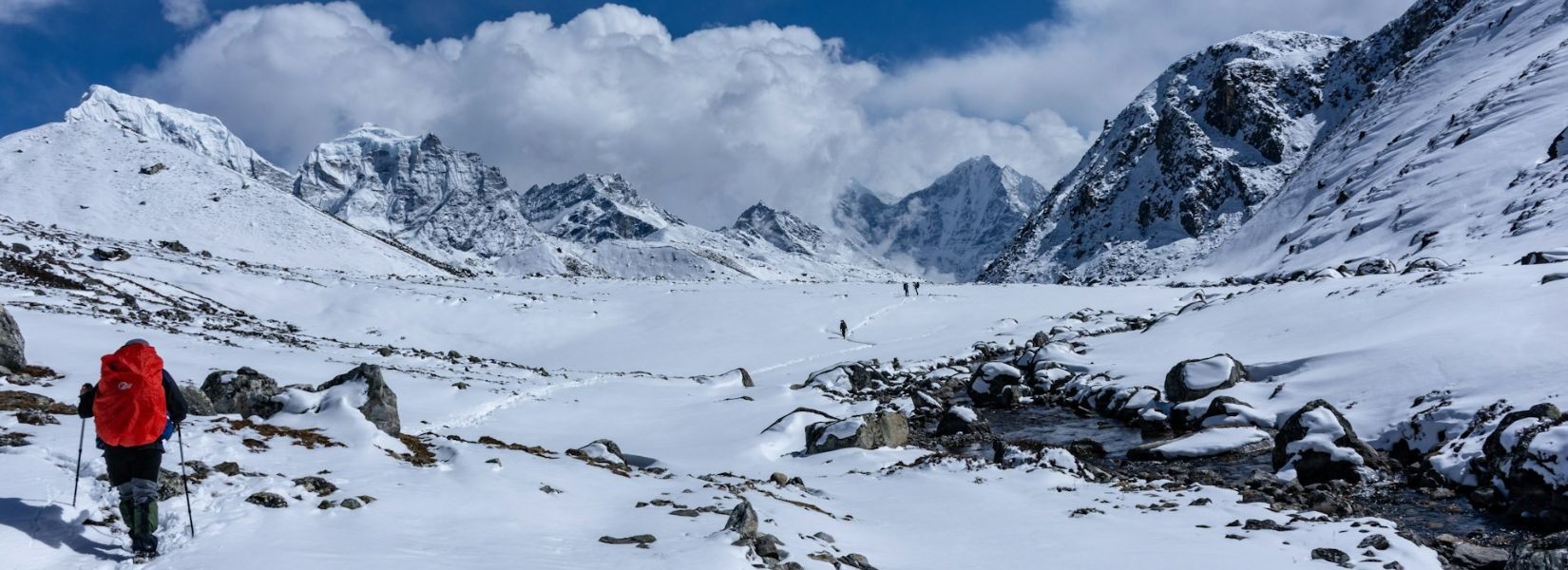
Many people head toward Everest Base Camp each year, but only a small percentage choose the Three Passes circuit. The main difference is the level of commitment and the variety of terrain. Instead of following one main valley, trekkers move through several remote sections, cross challenging passes, walk across glaciers, climb viewpoints, and visit both Everest Base Camp and the Gokyo Lakes.
The trek links three important high passes:
- Kongma La (5535 m) between Chhukung and Lobuche
- Cho La (5420 m) between Dzongla and Gokyo
- Renjo La (5360 m) between Gokyo and Marlung
Each pass has its own personality. One involves long sections of boulders, another includes a short glacier crossing, and the final pass offers one of the best panoramic views in the entire region. Trekkers who complete the loop often say they gained a complete understanding of how the Khumbu valley systems connect and how life functions at high altitude.
The Three High Passes Explained
Kongma La Pass (5535 m)
Kongma La is the highest and most physically demanding of the three passes. Trekkers usually approach it from Chhukung after spending time acclimatizing in the Imja Valley. The path climbs steadily through rocky ground and a long stretch of loose boulders. There are no settlements between Chhukung and Lobuche, so the day is long and requires a steady pace.
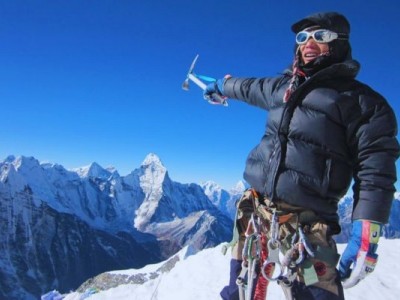
The reward for reaching the top is a wide view of Makalu, Lhotse, Nuptse, and Ama Dablam. On the other side of the pass, the route descends across the Khumbu Glacier, which is a memorable experience in itself. The glacier surface changes from season to season, so trekkers often rely on their guide to choose the safest line across.
Cho La Pass (5420 m)
Cho La is technically the most complex pass. It sits between Dzongla and the Gokyo Valley and includes two very different sections. The ascent is steep with big boulders, while the descent crosses a short glacier that can be icy during colder months. Microspikes or crampons are commonly used in winter and spring.
This pass links the Everest Base Camp side with the Gokyo side, so trekkers experience a big change in scenery. Peaks like Cholatse and Ama Dablam dominate the skyline, and the trail eventually leads into the turquoise lakes and viewpoints of Gokyo. The feeling upon reaching the first lake is often one of relief and excitement because trekkers know they are entering one of the most beautiful parts of the region.
Renjo La Pass (5360 m)
Renjo La is the lowest of the three, but it is far from easy. Trekkers usually climb it from Gokyo, where they have already spent several days at altitude. The ascent out of Gokyo is long and steady, and the pass sits at a point where the three major Himalayan giants—Mt. Everest, Lhotse, and Makalu—appear in one line.
The view from the top of Renjo La is often considered the finest on the entire circuit. The Gokyo Lakes lie below in bright turquoise color, the Ngozumpa Glacier stretches across the valley, and the major summits rise above everything else. The descent toward Marlung is straightforward and leads into a peaceful valley with fewer trekkers.
How Difficult Is the Everest Three Passes Trek?
Difficulty Level and Physical Demands
The Everest Three Passes Trek is a serious physical challenge. Trekkers walk for 5 to 8 hours a day for approximately three weeks, covering a route of around 160 kilometres. On pass-crossing days, the walking time can extend to 10 hours or more, depending on conditions.
Several nights are spent above 5000 meters, and many days are spent above 4000 meters. The air is thin, and the body takes time to adjust. Most trekkers begin to notice the effects of altitude as early as Namche Bazaar, but symptoms become more pronounced above Dingboche and Chhukung.
There are no technical climbing skills required, but trekkers must be comfortable on steep ground, loose rock, uneven trails, and sometimes icy sections. The level of exposure changes from place to place, but the constant factor is endurance. A steady pace helps prevent altitude-related issues and keeps energy levels consistent.
For most people, the Three Passes route is significantly harder than the standard Everest Base Camp trek. Base Camp focuses on one valley and one high point, while Three Passes requires multiple high climbs, more elevation gain, and a longer period at altitude.
Himalayan Ecological Trekking strongly advises you to do a trek of a higher altitude (such as the Everest Base Camp, Annapurna Base Camp, or Manaslu Circuit) before attempting to do the Three Passes route.
Altitude Challenges and Acclimatization
Altitude is one of the main challenges on the Three Passes circuit. Oxygen levels decrease as trekkers climb higher, and the body needs time to adjust. Careful acclimatisation is essential to avoid altitude sickness.
Acute Mountain Sickness (AMS) can strike any of us at any time and may produce adverse effects, such as headache, nausea, dizziness, and extreme fatigue.
A well-planned itinerary includes rest days in Namche Bazaar, Dingboche, and Chhukung. These rest days are not for staying idle. Trekkers complete acclimatisation hikes to higher points and return to sleep at a lower altitude, which helps the body adapt.
Common symptoms of Acute Mountain Sickness include:
- Headache
- Loss of appetite
- Nausea
- Dizziness
- Difficulty sleeping
- Fatigue
At Himalayan Ecological Trekking, our experienced guides monitor the health of trekkers daily with the use of pulse oximeters and by asking them how they feel. We will never allow you to exceed a safe limit, and your health should always take precedence.
Typical Itinerary for the Everest Three Passes Circuit
Most trekkers complete the circuit in a clockwise direction, beginning from Lukla and finishing in Lukla.
Days 1–3: Fly to Lukla, trek to Phakding and Namche Bazaar, acclimatisation day
Days 4–6: Trek to Tengboche and Dingboche, acclimatisation hike
Days 7–8: Continue to Chhukung, cross Kongma La Pass, reach Lobuche
Days 9–10: Visit Everest Base Camp and climb Kala Patthar, trek to Dzongla
Days 11–12: Cross Cho La Pass, enter Gokyo Valley, climb Gokyo Ri
Day 13: Cross Renjo La Pass, descend to Marlung
Days 14–17: Trek through Thame to Namche and back to Lukla, fly to Kathmandu
Some trekkers add side trips to Island Peak Base Camp or Ama Dablam Base Camp if time and conditions allow.
Why the Trek Is Considered Nepal’s Toughest Non-Technical Route
Several factors contribute to the reputation of the Seven Passes Trek as the most demanding non-technical trek in the Himalayas.
Endurance Requirements
Over the course of three weeks, trekkers gain well over 10,000 meters of elevation. There are no traditional rest days beyond acclimatisation days. Even those days include hikes. High passes require early starts and long hours on the trail.
Variable Terrain
Each pass comes with its own challenges. Kongma La has long sections of boulders. Cho La often has icy patches. Renjo La has steep stone steps near the top. The ground changes continuously, and trekkers need to watch every foot placement.
Weather Conditions
High-altitude weather changes quickly. A clear morning can turn into a windy afternoon with snow and low visibility. Temperatures can fall to -20°C or lower in the upper valleys. Wind chill, frozen water bottles, and changing snow conditions are a normal part of the experience.
Remoteness
Certain sections between the passes are isolated. If a problem occurs, it may take hours to reach the nearest settlement. This adds a psychological challenge and makes safety and preparation even more important.
Best Time to Trek the Three Passes Route
Autumn (mid-September to November)
This is the most popular season due to clear skies, stable weather, and excellent visibility. October is generally considered the ideal month.
Spring (March to May)
The second-best season. The weather becomes warmer, and rhododendron forests start blooming. Trails are slightly quieter than in autumn.
Winter (December to February)
Possible but tough. Temperatures can fall to -30°C, and passes may have more ice. Only recommended for trekkers with winter experience and proper gear.
Monsoon (June to August)
Not advised. Heavy rain can cause landslides on the approaches, and views are often blocked by clouds.
Who Should Choose This Trek
The Three Passes route is best suited for trekkers who:
- Have completed at least one high-altitude trek before
- Are in strong physical condition
- Can manage long days on rugged terrain
- Are mentally prepared for continuous exposure to altitude
Beginners or trekkers with limited time may prefer starting with routes like Everest Base Camp, Langtang Valley Trek, Annapurna Base Camp, or Manaslu Circuit. These provide valuable experience without the extended altitude exposure of the Three Passes circuit.
Essential Gear and Preparation
Key Gear
- Four-season sleeping bag rated to at least -15 to -20°C
- Strong waterproof trekking boots
- Microspikes or crampons, depending on the season
- Warm down jacket
- Layered clothing system
- Trekking poles
- High-quality sunglasses suitable for glaciers
Training Plan (two to three months before)
Most trekkers prepare by:
- Running, cycling, or swimming four to five times a week
- Hiking with a loaded backpack
- Training on hills or stairs to strengthen the legs
Safety Essentials
- Travel insurance with helicopter evacuation up to 6000 meters
- First-aid kit
- Altitude medication such as Diamox
- Emergency contact list
Useful Tips from Experienced Guides
- Start early on pass days, usually around 5 or 6 a.m.
- Drink at least four litres of water a day
- Eat small, frequent meals
- Report any altitude symptoms immediately
- Avoid climbing higher if symptoms worsen
Cultural and Environmental Considerations
The Khumbu region is home to Sherpa communities who have lived in the mountains for generations. Trekkers can show respect by walking clockwise around stupas, dressing modestly in villages, learning simple Nepali greetings, and asking for permission before taking photos.
The Three Passes route passes through fragile alpine environments. Trekkers are encouraged to use refillable bottles, avoid littering, stay on marked trails, and support lodges that follow environmental guidelines.
Frequently Asked Questions
How long does the trek take?
Most itineraries take 18 to 21 days from Lukla to Lukla. Some trekkers add a few days for extra rest or side trips.
Do I need a guide?
Guides are strongly recommended. The route involves glacier crossings, changing conditions, and several remote sections. A guide helps with navigation, altitude monitoring, safety, and cultural context.
What permits are required?
Trekkers need a Sagarmatha National Park Entry Permit and a Pasang Lhamu Village Development Committee Permit. Local agencies usually arrange these. TIM's Card is not required and not recognised.
How much does the trek cost?
Prices vary by season and group size, but organised treks usually range from $1800 to $2500 per person. This includes permits, guides, porters, meals, and accommodation during the trek.
Is it harder than Everest Base Camp?
Yes. Everest Base Camp is demanding, but the Three Passes route adds multiple high passes, more technical terrain, and longer exposure to altitude.
Can beginners attempt the Three Passes?
Not recommended. Experience with at least one high-altitude trek is important.
Do I need special insurance?
Yes. Make sure your insurance covers helicopter evacuation above 6000 meters.
Conclusion
The Everest Three Passes Trek stands out as one of the most rewarding and demanding high-altitude journeys in Nepal. It combines stunning viewpoints, remote valleys, glacial landscapes, Sherpa culture, and the satisfaction of linking several major routes into one complete circuit. Trekkers who finish the loop come away with a deep appreciation of the Everest region and a sense of achievement that stays with them long after they return home.
As a company with long experience in the region, we Himalayan Ecological Trekking, help trekkers prepare for the journey and guide them safely across the passes. With careful planning, proper acclimatisation, and the right mindset, the Three Passes circuit offers an unforgettable experience and a complete view of the high Himalayas.