.jpg)
Himalayan Ecological Trekking believes that our support for local Himalayan communities goes beyond organizing wonderful treks, but instead, it creates real positive change. In Nepal, through sustainable tourism, we contribute to the social, economic, and cultural development of rural mountain communities. It is with our eco-trekking Nepal approach that your trek to Everest Base Camp, Annapurna Circuit, or Langtang Valley is a force for good. By working with local guides, supporting family-run teahouses, and investing in community development projects, we practice responsible tourism that truly serves the people who have called these amazing mountains home.
Table of Contents
Why Supporting Himalayan Communities Matters More Than Ever
Why Supporting Local Communities Matters
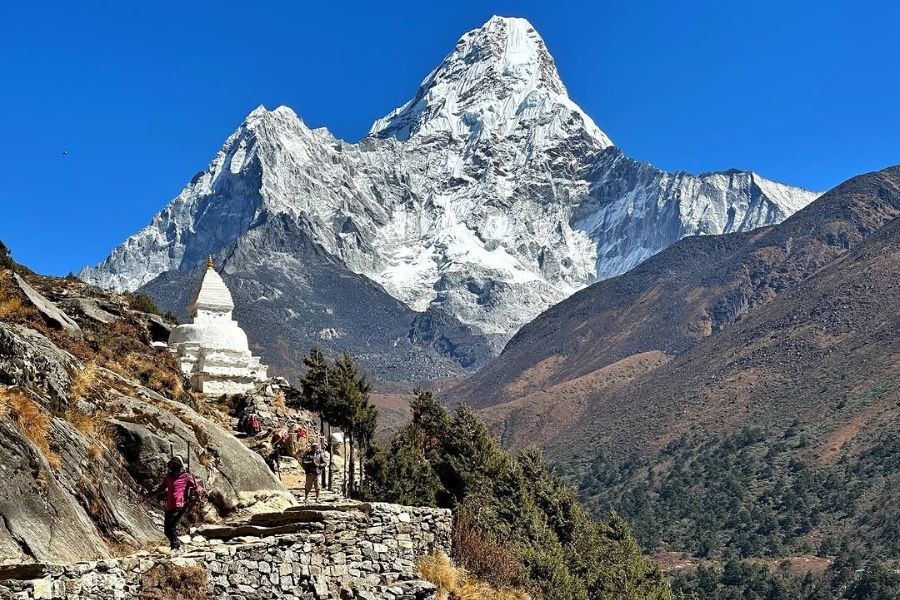
Numerous adventurers have been drawn to the vast mountains of the Himalayas for many years, but behind every trek is a dedicated support team of locals, from Sherpa Porters to Tamang guides, teahouse owners, and villages with tourism-dependent income. When you engage with a community-based tourism Himalayas experience, you are directly contributing to families that would otherwise struggle to access education, healthcare, and economic opportunities in remote areas.
Tourism and the Impact on Remote Areas in the Himalayas
Tourism represents the primary income source for many Himalayan villages along trekking routes like the Manaslu Circuit, Gokyo Lakes, or Upper Mustang. There are a few alternatives to tourism for these communities. Responsible tourism not only brings tourists, but also brings with it hope, opportunity, and resources to preserve culture and environment, for generations to come.
Our Mission: Sustainable & Responsible Tourism
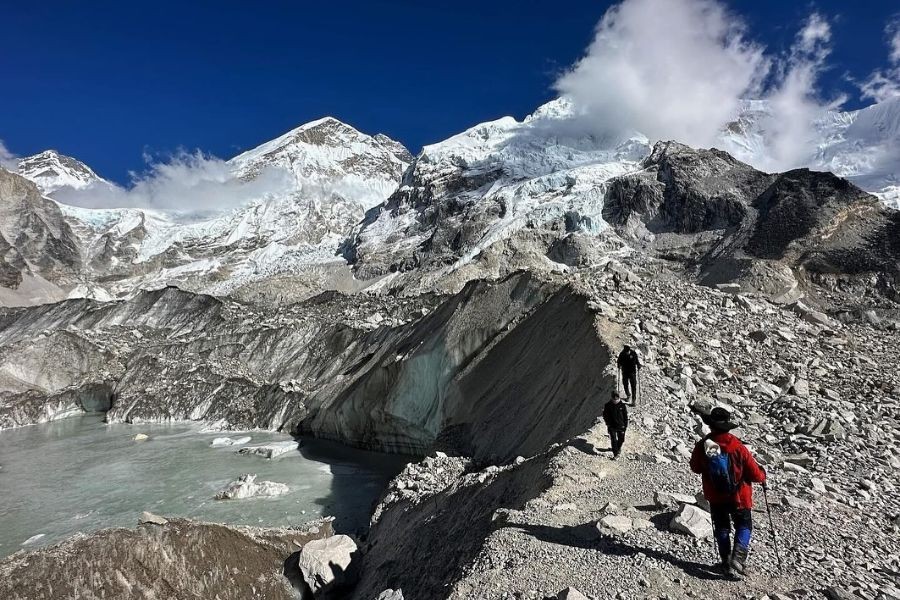
Principles Guiding Our Eco-Friendly Trekking Model
Himalayan Ecological Trekking was established on the principle that adventure and responsibility must go together. Our Nepal trekking responsible tourism model is based on four pillars:
- Environmental Stewardship: We reduce our environmental footprint by taking sustainable trekking practices in Nepal, ensuring that the areas that we trek to, such as Kanchenjunga Base Camp and Makalu Base Camp, will still be pristine in the future.
- Economic Justice: We keep the economic impact that trekking has on the local community, instead of large international companies profiting from it.
- Cultural Justice: We respect and protect the preservation of Himalayan cultures through meaningful engagement with local cultures, from Buddhist monasteries in the Everest region to ancient villages in the Annapurna Sanctuary.
- Social Justice: We create opportunities for mountain communities to prosper through education, skills development, and equal opportunities programmes.
Creating Local Employment Opportunities

Hiring Licensed Local Guides and Porters
When you leave on a journey to destinations such as Poon Hill, Mardi Himal, or the more challenging Three Passes Trek with us, you will be guided by supporting local Nepali guides who are experts in these mountains. We only employ government-licensed guides and porters from the area in which we operate, allowing you to experience the area authentically while creating meaningful employment. Our team also includes experienced Sherpa community support who carry generations of mountain wisdom with them on every expedition. From the technical experience of Island Peak to the cultural experience of the Ghorepani Loop, local expertise ensures these journeys are safe and enriching experiences.
Training, Fair Wages & Insurance Practices
As one of the ethical trekking companies Nepal recognizes, we invest heavily in our team's professional development. We provide:
- Comprehensive wilderness first aid training
- Language and communication skills development
- Technical mountaineering courses for high-altitude treks
- Fair wages that exceed industry standards by 20-30%
- Complete insurance coverage, including helicopter rescue provisions
- Quality equipment and proper gear for all weather conditions
Our porters carrying loads on routes to Tilicho Lake or Rara Lake trek with dignity, carrying weights within international ethical guidelines (maximum 20kg including their personal belongings).
Supporting Homestays, Teahouses & Local Businesses

Encouraging Community-Owned Accommodation
Instead of directing trekkers to sizable lodges owned by outside developments, we prioritize family-run teahouses and homestays during our treks. Whether you are resting in Namche Bazaar on the way to Everest Base Camp, or you spend the night in a remote home in Ghandruk village, your lodging fees go directly to households in the community.
In areas like Dolpo and Upper Mustang, where tourism is very deliberate, we aim to utilize tourism to support community-owned guesthouses, some of which take 100% of profits and put them into village development.
Boosting Local Economy Through Responsible Spending
Our support for local communities' philosophy extends to every purchase decision. We:
- Source meals from local producers and farmers
- Purchase trekking supplies from Nepali-owned shops
- Hire pack animals (yaks, mules, and dzos) from local herders
- Encourage trekkers to buy authentic handicrafts directly from artisans
- Partner with local bakeries in places like Manang and Tengboche
This approach means that a trek on the Annapurna Circuit or Langtang Gosaikunda Trek creates a ripple effect of economic benefit throughout the entire region.
Promoting Cultural Preservation & Respect
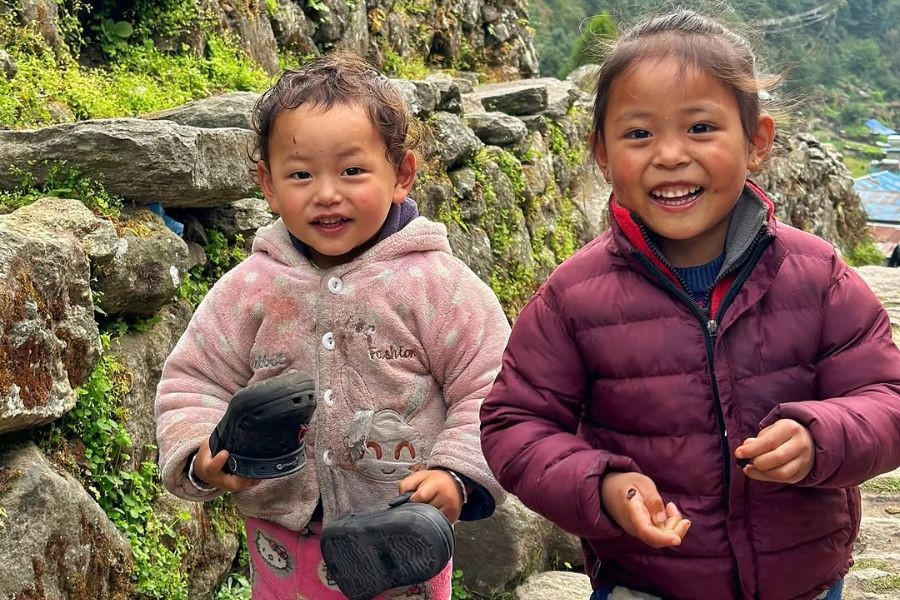
Encouraging Cultural Exchange
The Himalayas are home to a tremendously diverse range of ethnic groups; for example, whether it is the Tibetan Buddhist culture of Solu-Khumbu, the Hindu/Buddhist mix in lower Annapurna, or the unique traditions of Dolpo, which include a Bon-Buddhist blend. We support authentic cultural exchange by doing the following:
- Arranging visits to monasteries such as Tengboche and Pangboche with appropriate protocols
- Organizing cultural performances in the villages during the Annapurna Base Camp trek
- Providing an explanation of the meaning of prayer flags, mani walls, and stupas
- Connecting trekkers to locals to discuss life in the mountains
Protecting Traditions, Festivals & Local Heritage
We arrange the timing of some treks to coincide with some of the largest festivals, so you can experience events like Mani Rimdu in the Everest region or Tiji Festival in Upper Mustang, while we ensure to conduct our experience, contribute, and never interfere in these sacred traditions. We also support the preservation of historical and cultural sites from the ancient monasteries in Langtang to the traditional homes of villages like Kharikhola and Lukla.
Our Environmental Protection Commitments
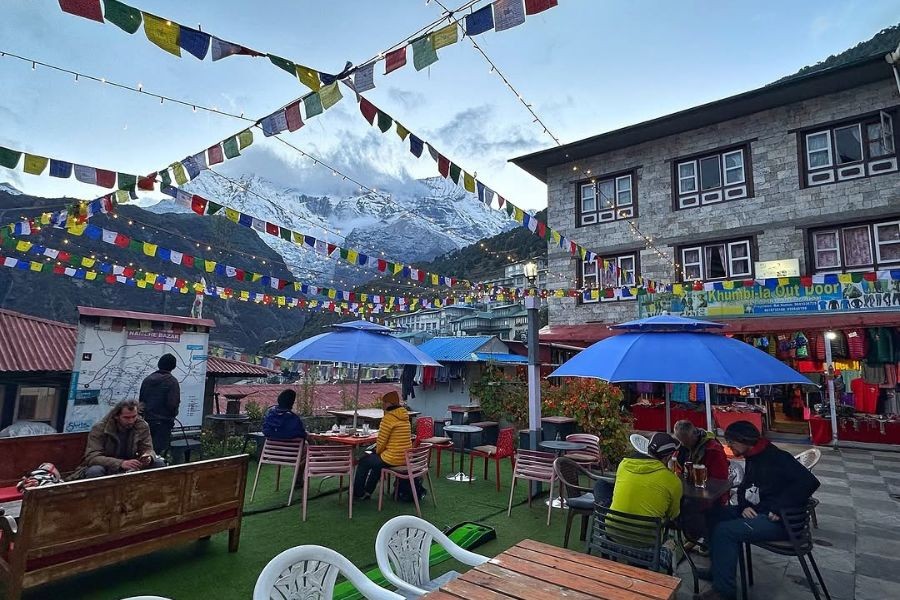
Zero-Waste Trekking
The sensitive Himalayan ecosystem, from the rhododendron forests along the Ghorepani trail to the alpine meadows of Gosaikunda, needs special care and protection. With Eco Trek Nepal, we donated and implemented:
- Carrying down all non-biodegradable waste to Kathmandu for appropriate disposal
- Using refillable water bottles and water purification systems to eliminate plastic waste
- Solar panels at base camp, for renewable energy
- Composting organic waste, if we have the facilities
Plastic Reduction & Leave No Trace Practices
We have removed all single-use plastics from every trek, whether it's the short Pikey Peak trek or a month-long expedition on the Great Himalayan Trail. All our guides are educated in Leave No Trace principles, which helps us keep areas like the beautiful Makalu-Barun Valley and the isolated region of Kanchenjunga unchanged for future generations to experience.
Community Development & Social Projects
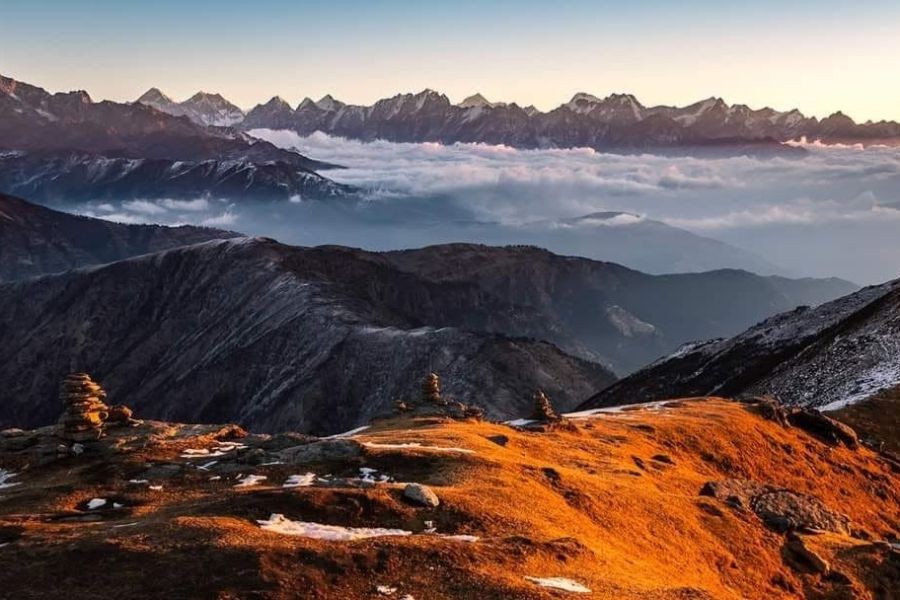
Education Support
Through partnerships with local schools and international NGOs, Himalayan Ecological Trekking contributes to education in remote areas. We've supported:
- Classroom construction in villages along the Manaslu trek
- Scholarship programs for children in the Rolwaling Valley
- Library donations to schools in Lukla and Phakding
- English language teaching programs in Solu-Khumbu
Health Camps & Skill Development Programs
We organize annual health camps in partnership with Nepali medical professionals, bringing basic healthcare to villages that may be a day's walk from the nearest clinic. In places like Simikot (gateway to Limi Valley) and Juphal (gateway to Dolpo), these camps provide:
- General health checkups
- Dental care
- Vision testing and reading glasses
- Health education on nutrition and sanitation
- Maternal and child health services
Our skill development programs teach hospitality management, cooking, and English to young people in trekking regions, preparing them for sustainable careers in tourism.
Empowering Women in the Himalayas
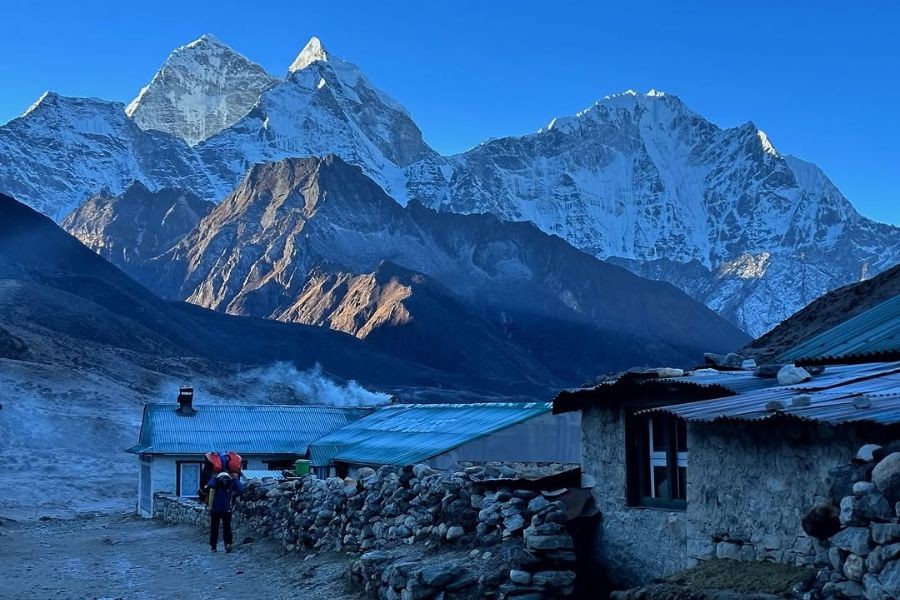
Opportunities for Female Guides, Porters & Entrepreneurs
In traditionally patriarchal mountain societies, women's economic participation has historically been limited. We actively work to change this by:
- Recruiting and training female trekking guides and porters
- Sourcing supplies from women-owned businesses
- Supporting women's cooperatives that produce handicrafts and organic products
- Offering microloans to female entrepreneurs in trekking regions
Several of our most experienced guides on treks like the Khopra Ridge and Mohare Danda are women who serve as role models and economic breadwinners for their families and communities.
How Trekkers Contribute to Local Wellbeing
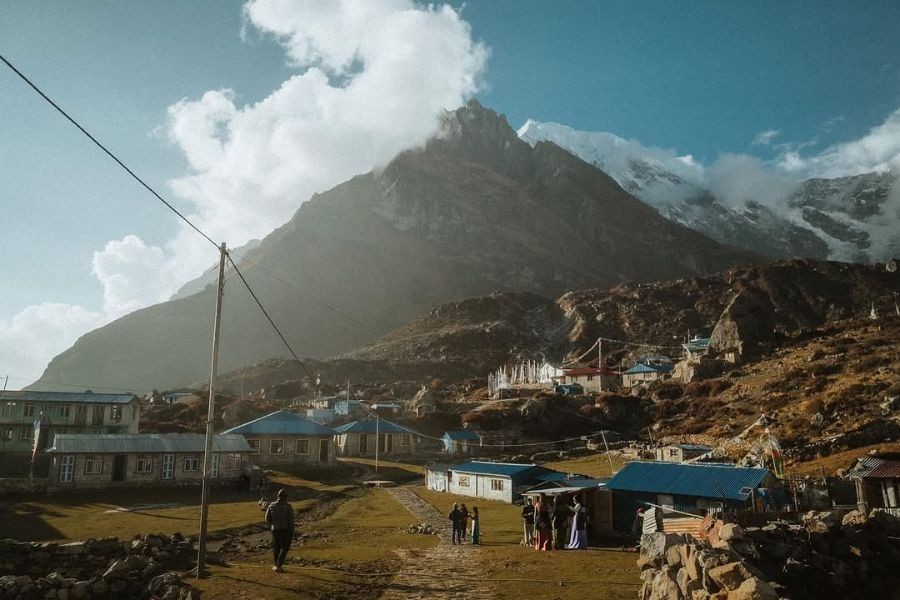
Small Actions That Make a Big Difference
Every trekker who chooses sustainable trekking practices in Nepal becomes part of our mission. Here's how you can maximize your positive impact:
- Spend locally: Buy snacks, water, and souvenirs from small shops along the trail
- Tip generously but appropriately: Fair tips help guides and porters provide for their families
- Respect resources: Water is precious at high altitudes—use it sparingly
- Learn basic Nepali phrases: "Namaste," "Dhanyabad" (thank you), and "Ramro cha" (it's good) go a long way
- Carry down your waste: If you brought it up, bring it down
Respectful Trekking Behavior Guidelines
Cultural sensitivity enhances both your experience and community relations:
- Always ask permission before photographing people
- Dress modestly, particularly in villages and religious sites.
- Walk clockwise around Buddhist monuments and stupas
- Remove shoes before entering homes and temples
- Accept offered tea or food graciously—hospitality is sacred in Himalayan culture
- Support fair pricing without aggressive bargaining that undermines local livelihoods
Why Supporting Local Communities Benefits Everyone
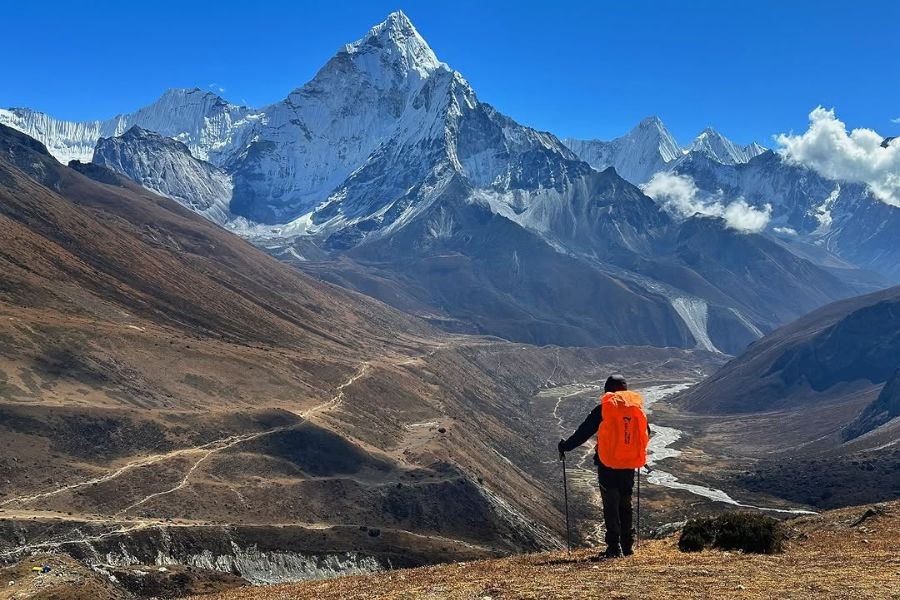
Sustainable Growth
Communities are capable of improving infrastructure in their region—better trails, safer bridges, better sanitation facilities, and emergency communication technologies—when tourism dollars remain within the community. This not only enhances a community's infrastructure but also encourages more responsible tourists to visit. As the facilities have improved, more responsible tourists stay longer and spend more money, increasing the community benefit as the cycle continues.
The villages found along the Everest Base Camp trek were able to develop from subsistence farming communities into thriving mountain towns over the course of many decades, only because each model put local ownership and/or local benefit-sharing at the centre of the design.
Better Trekking Experiences for Travelers
Genuine community-based tourism experiences in the Himalayas generate memories that go beyond landscapes. Moments such as the time spent in a home teahouse with your family while sharing a meal of dal bhat and trading stories, having a guide explain the significance of prayer wheels at Thyangboche monastery, or seeing children learn at a school built with the support of your company, are what meaningful travel is all about.
Trekkers who opt for an empower Himalayan communities style experiences consistently report having a higher degree of satisfaction with their trekking trip, a deeper understanding of a different culture, and a feeling of purpose beyond the accomplishment of trekking itself.
Frequently Asked Questions
How much of my trekking fee goes to local communities?
At Himalayan Ecological Trekking, approximately 60-70% of your trek cost benefits local communities directly through wages for guides and porters, teahouses, local transport, and community-minded donations. That percentage is many times higher than the average in the industry.
Are local guides as experienced as international guides?
Absolutely, local guides have an unparalleled knowledge of the terrain, weather, altitude adjustment, and cultural setting. Many have summited major peaks and completed international guide certification. Licensed Nepali guides are some of the most experienced mountain professionals in the world.
How can I make sure my trek complies with ethical practices to support communities?
Select an ethical trekking company in Nepal that has been certified by organizations like TAAN (Trekking Agencies’ Association of Nepal) or KEEP (Kathmandu Environmental Education Project). Inquire about the welfare policies for porters, what percentage of employees are local staff, and if any support community developments. Himalayan Ecological Trekking considers this sort of transparency to be important in all the above areas.
What's the best way to give back during my trek?
Instead of giving cash or candy to children (which can lead to dependence), contribute through proper channels - help local schools, projects run through your trekking company in the community, buy real goods from local suppliers, and teach some skills if you get the chance (English, for example).
Is it possible to trek independently and still support community well-being?
Some routes allow for independent trekking, but hiring a local guide and porters through a reputable agency helps to efficiently support local communities and ensures safety and fair labor practices. Even experienced travelers and trekkers benefit from local guides for their expertise while increasing their positive impact.
How does climate change affect communities in the Himalayas?
Communities in the Himalayas are seeing climate change negatively impact their livelihoods through retreating glaciers, irregular monsoons, and shifts in growing seasons. Supporting a sustainable tourism practice in Nepal helps the community build resilience and diversify income sources toward things that are less reliant on agriculture, which is susceptible to climate change.
Your Ongoing Commitment to Ethical and Sustainable Tourism in the Himalayas
At Himalayan Ecological Trekking, our support for local communities in the Himalayas is not a marketing tagline; it is the foundation to all that we do. From the moment you reach out to us to inquire about the Everest Base Camp trek, through to the moment your feet touch the ground to descend from the Annapurna Sanctuary, your trek will benefit the mountain people who make that trek possible.
The Himalayas have more to offer than stunning views. The communities of the Himalayas—the ever-resilient, all-so-warm-hearted people-- have survived in these mountains for generations. By choosing to partake in responsible tourism and eco-friendly trekking in Nepal, you are a partner in nourishing the natural part of these living cultural landscapes, as well as the cultural aspects that define what is extraordinary about the Himalayas.
If your dream has been to see the Everest View Point, trek around the sacred Manaslu massif, explore the hidden valleys of Dolpo, or trek through the mystical landscapes of Upper Mustang, we encourage you to travel with intention. Together, we will ensure that these extraordinary experiences will continue for generations and that the people who find a home in these mountainous homelands will be able to thrive.
Let’s make every step count. Trek responsibly. Trek sustainably. Trek with Himalayan Ecological Trekking.
Are you ready for a transformative experience while helping local Himalayan communities? Contact Himalayan Ecological Trekking today to help plan your ethical adventure in the highest mountains on Earth.
nquire Now: [email protected]
Expert Consultation: WhatsApp: +977 9851006023 (Bikesh)